What to check before booking an atv ride dubai
Booking an off-road ride is easy when the day is clear, the route suits your group and the safety basics are settled. The desert changes through the day, and a ride that looks simple in a photo can feel very different once wind, heat and uneven sand are part of the plan. A few careful checks before you commit will make the experience calmer and better matched to the people going.
Start with the rider requirements. An all-terrain vehicle is not a casual seat in a car, and control takes balance, grip and quick judgment. Check whether the ride expects previous experience, a minimum age, a licence, or a passenger rule. If someone in the group has only watched videos of riding, be honest about that. A beginner friendly route and a steady pace matter more than the biggest dune on the map.
Confirm the route and the pace
The route is the heart of the experience. Ask what kind of terrain is included, how long the riding section lasts, and whether the path is mainly open sand, a marked desert trail or a mix of surfaces. Some people want open space and long stretches of rolling ground. Others prefer a short route with frequent stops, photos and clear guidance. Neither choice is wrong, but they suit different energy levels.
Pace deserves the same attention as distance. A fast outing can be exciting for confident riders and stressful for newcomers. A slower guided tour gives people time to learn how the vehicle responds on sand, especially when the front end climbs a slope or the track narrows between dunes. If the group includes children, older riders or anyone nervous about speed, ask whether the pace can stay relaxed. It is better to choose a gentle plan at the start than to feel rushed once everyone is out in the heat.
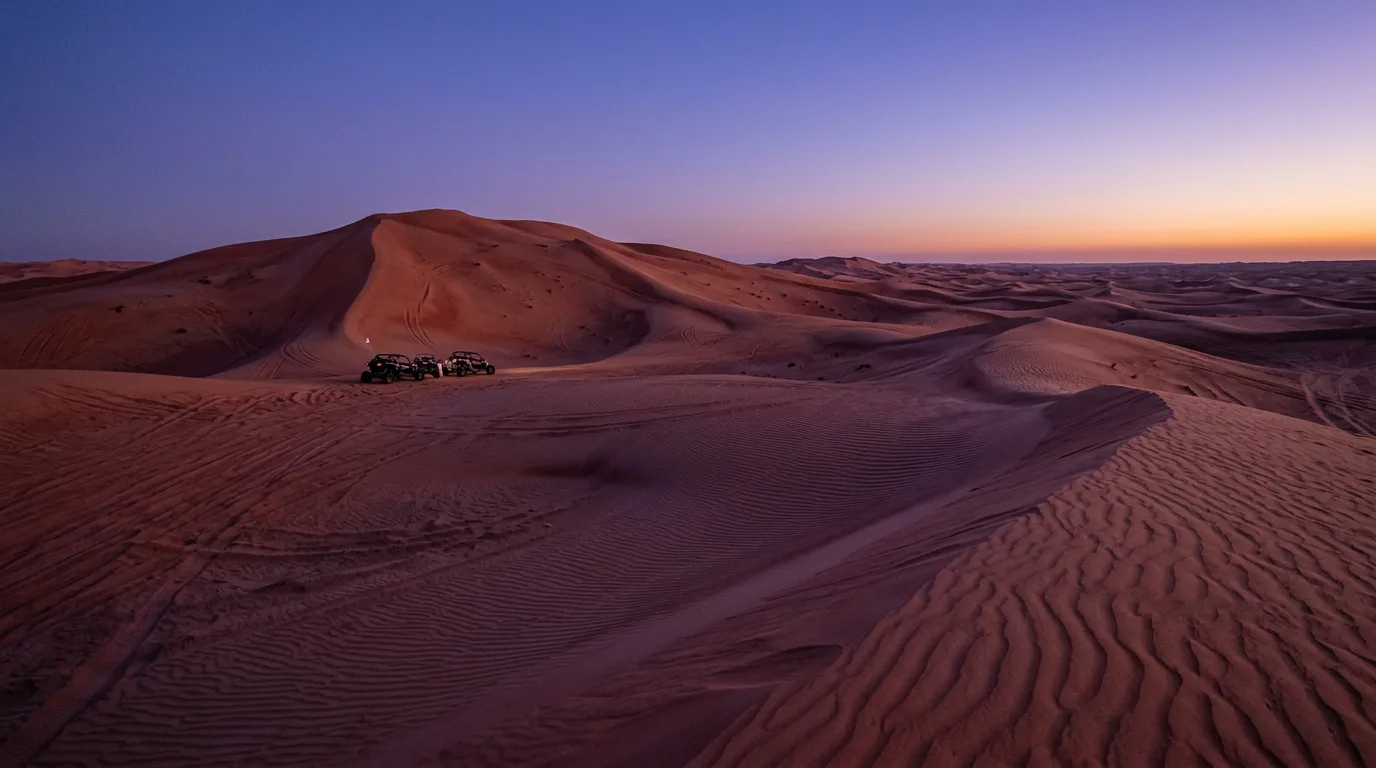
The setting also matters. A sand dune track can look firm from a distance while hiding soft patches, dips and sharp turns. Conditions change when the sand is hot or windy, so a route that works at one time may feel harder later. If the operator gives options, choose one that matches the least confident rider rather than the most adventurous one.
Check safety gear and riding rules
Helmet safety should be one of the first points you confirm. A helmet needs to fit properly, sit level and stay secure without slipping over the eyes. Ask whether helmets are provided, whether different sizes are available and whether riders can bring their own. A helmet that is too loose can shift at the wrong moment. One that is too tight can become a distraction within minutes.
Beyond the helmet, think about clothing and personal items. Lightweight long sleeves and trousers help protect skin from sun and flying sand. Closed shoes are more sensible than sandals because feet need grip and coverage while riding. Gloves can improve grip, and eye protection may help when dust lifts. Loose scarves, dangling jewellery and wide accessories can catch or distract, so keep the riding outfit simple.
Rules should be clear before the vehicle starts. Ask how signals are given, what riders should do if they fall behind, and where the group stops. A guided tour should set expectations about staying within the marked area, keeping a safe gap and avoiding sudden turns near other riders. These details sound basic, yet they prevent confusion when engine noise and open ground make conversation difficult.
- Ask how the vehicle is controlled, especially braking and steering on sand.
- Confirm whether a rider can stop the group for a photo or a short break.
- Check what happens if someone feels uncomfortable during the ride.
- Ask whether passengers are allowed and what seating rules apply.
- Confirm the meeting point and what time riders need to be ready.
Look closely at the vehicle and group size
An ATV quad bike should feel manageable before the ride begins. You do not need mechanical knowledge to notice obvious issues. Look for a clean, tidy vehicle with intact controls, visible mirrors if fitted, and tyres that appear suitable for sand. If something looks loose, damaged or unusual, say so before setting off. A short explanation of the controls is useful, particularly for a single rider who has not driven one before.
Group size changes the feel of an outing. A large group can be lively, but it may also mean less room to ask questions and more waiting while everyone gathers. A smaller group often feels more flexible, especially on a narrow desert trail. Ask how many vehicles usually travel together and whether riders are split by experience. Mixed groups can work well when the pace is sensible and the guide gives clear instructions.
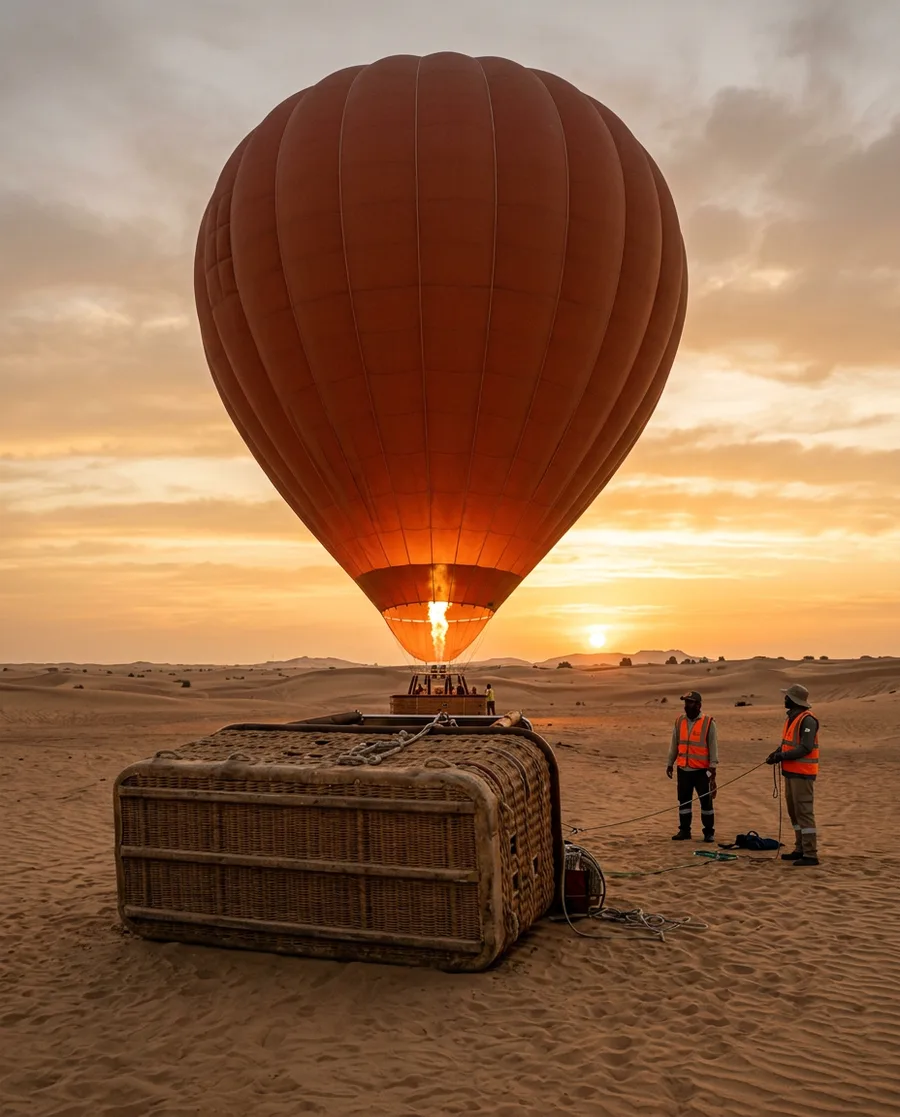
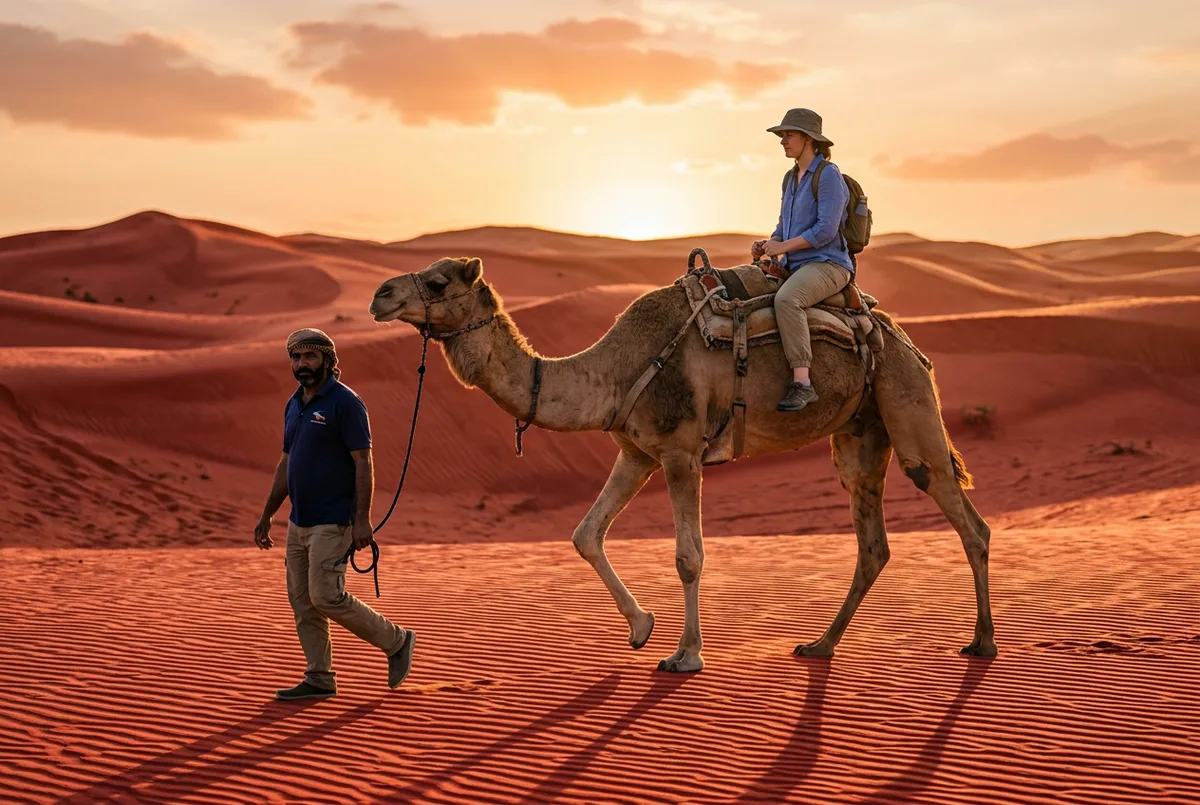
If the booking includes other activities, check how the day fits together. Some riders pair an off-road experience with camel rides, sandboarding, dinner or entertainment. A desert safari dubai package may include several stops and a long schedule, so the riding portion can feel short if the rest of the day takes most of the time. Read the order of events and ask how much time is actually spent on the vehicle.
Transport and timing are part of the same decision. Check whether the meeting point is easy to reach, whether pickup is available, and how much time is allowed between arrival and departure. Riders who arrive hot, tired or rushed are less likely to listen carefully during the safety briefing. Leave room in the day for water, shade and a slower start.
Understand the booking terms before paying
Once the ride itself suits the group, look at the practical terms. Confirm the duration, what is included and what is not, and whether the activity runs in the morning, afternoon or evening. Heat can shape the experience more than many people expect. An evening ride may feel cooler, while an early start can offer softer light and calmer sand. A midday outing may still be enjoyable, but it calls for more care with hydration and sun protection.
Cancellation and change rules deserve a careful read. Weather can affect off-road plans, and travel schedules can shift. Check what happens if a rider is late, if the group size changes or if conditions make the route unsuitable. Clear terms help avoid awkward decisions on the day. If a written confirmation is provided, keep it handy so the route, time and inclusions are easy to verify.
Health and comfort should also shape the choice. Anyone with back trouble, joint pain, motion sensitivity or a condition that affects balance should think carefully before booking a bumpy ride. Ask about the terrain and the length of uninterrupted riding. A gentler route with regular stops can be a better fit than a long run over uneven ground. Guests who are pregnant, recovering from injury or unsure about vigorous activity should seek suitable advice before taking part.
Match the ride to the kind of day you want
A good booking is not simply the ride with the most dramatic dunes. It is the one that fits the riders, the weather, the schedule and the level of comfort everyone expects. Think about what the group wants to remember: speed and open sand, a relaxed photo stop, a family outing, or a broader desert safari dubai day with several activities. Each aim points to a different choice.
Before confirming, run through the final details in one calm pass. Make sure the rider rules are understood, the route matches the group, the safety gear fits, the vehicle looks sound and the timing leaves space to settle in. Ask any question that still feels unanswered, even if it seems small. Clear answers at the booking stage are much easier to handle than uncertainty in the desert.
With those checks in place, the day can stay focused on the ride itself: the feel of sand under the tyres, the shape of the dunes and the shared sense of moving through a wide, changing landscape. Preparation does not remove every surprise, but it gives riders a steadier start and a better chance of enjoying the experience for the right reasons.